Shake Up Your Classroom With "What If" Scenarios

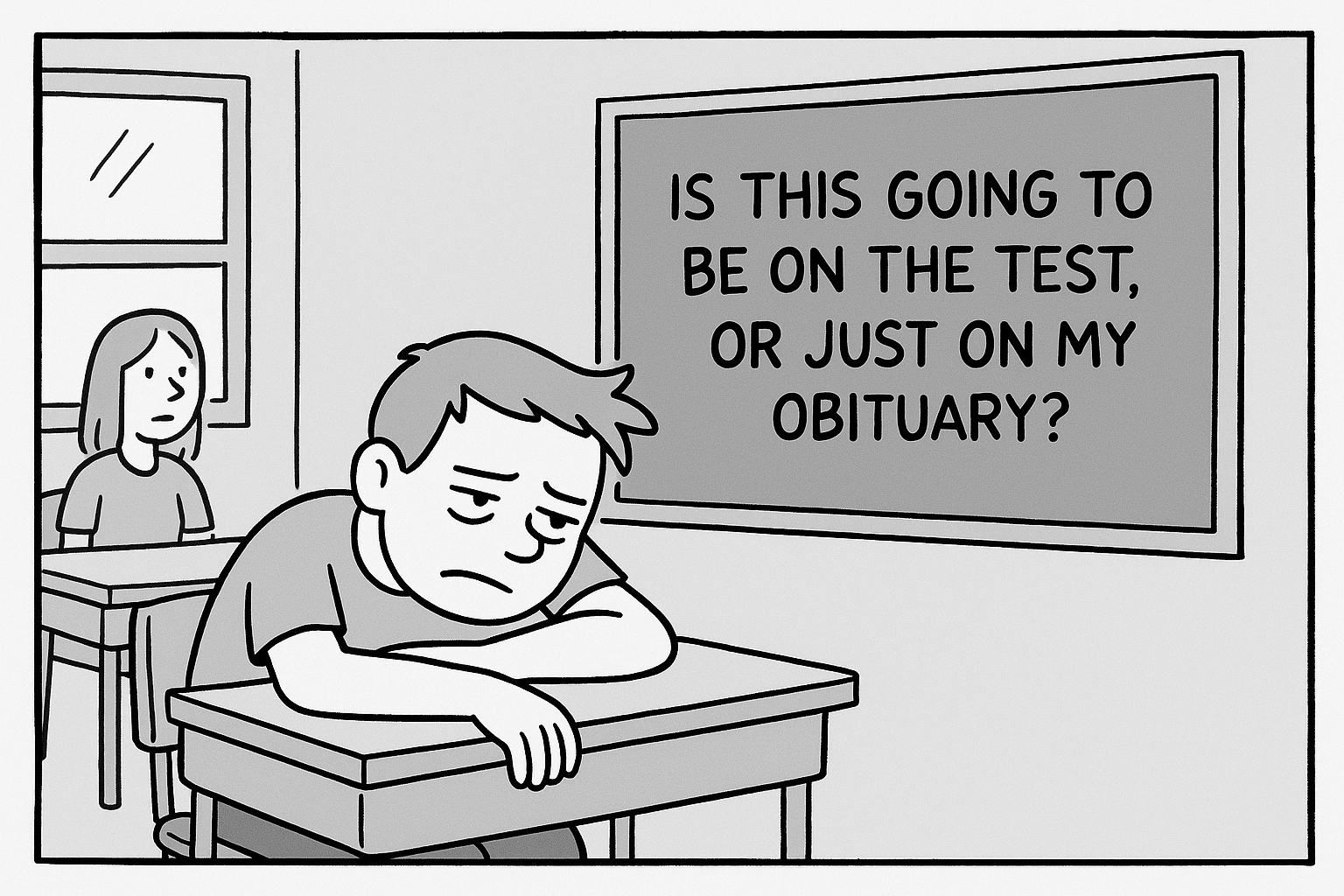
I sometimes wonder if learning science (or any other subject) feels to students like reading a manual for a world, life, or society they’re not actually allowed to touch.
Despite best efforts, the education companies put out textbooks students resist to read and fail to follow.
Even the most "modern" educational materials feel like they were written by evil robots that hate teenagers. Filled with jargon that makes a simple rain cloud sound like a classified government project, they simply suck.
But the learning doesn’t have to suck.
"What If" Scenarios
AKA the art of throwing a metaphorical wrench kids do not have to dodge into your own lesson plan.
Instead of a dry lecture on reservoirs, try dropping something like this on them:
"What if your city’s reservoir is evaporating so fast it looks like a giant puddle, and the mayor just called you to fix it?"
Or for plate tectonics:
"What if a new fault line opened up right under the school’s football field?"
Then, let them figure out the solution to the crisis in a small group.
Turning your classroom into a disaster zone is actually a genius move because…
It Forces Them To Actually Think
When you break the "perfect" system, Google can't save them. Students can't just copy-paste the definition of a levee if the "What If" says the levee just sprouted a leak. Because after they Google what levies are, they have to actually use their brains to figure out why things may be failing and how to patch the holes. It’s less "memorize the diagram" and more "MacGyver the solution."
They’re problem-solving.
And, if the admin asks, they’re SEPeeing, ‘cause NGSS is where it’s at.
It Turns Mistakes Into Skills
In a normal lab, a wrong answer is just a red mark on a paper. In a "What If" scenario, a "wrong" idea is just a prototype that exploded. It gives kids the freedom to be creative and a little bit wild. "Can we cover the canal with giant floating LEGO bricks to stop evaporation?" Maybe not, but at least they're thinking about surface area, sun exposure, and minimizing the heat transfer.
Critical thinking, creativity, collaboration, and communication. Skills.
It Ends The Annoying "When Will I Ever Use This?"
Nothing kills that spirit-wilting and soul-corroding question faster than a crisis, because suddenly, knowing how an aqueduct works isn't just a test question—it's the only way to get water to a thirsty city in their simulation.
It turns them from bored students into the heroes of their own mind-conjured movies.
It Gets Them Arguing In A Good Way
Real science is basically just a bunch of people in a room arguing about the best way to not let a tsunami ruin everyone’s weekend.
The “What If” scenarios force kids to work in teams, propose and defend their often-weird and sometimes crazy ideas, and realize there’s no one right answer to fix all the world’s troubles—just the one that’s the least likely to end in a fire or flood.
So, next time your lesson feels fake, break a dam. Open a rift. Invoke a drought.
Your students will love and thank you for the chaos.
Wanna try? Check out my list of 10 Water Management "What Ifs" and watch your 8th to 10th graders turn into the frantic, brilliant problem-solvers you always knew they were. I also created this $4 project/lesson combo.
My 10 "What If" Scenarios for the Water Management Infrastructure
The Cracked Dam: What if a major dam developed a structural crack during a record-breaking rainstorm? How would you animate the evacuation plan for the town below?
The Dried-Up Aqueduct: What if a mountain range shifted slightly due to an earthquake and broke a main aqueduct? How would a city of millions get water the next morning?
The Levee Choice: What if a storm is so big that a levee is about to break? Do you intentionally flood an empty farm to save a crowded city?
The Reservoir Conflict: What if two different states share one reservoir, but a drought leaves only enough water for one state's crops? Who gets to decide who eats?
The Invasive Canal: What if a new canal connects two rivers, but an invasive species of fish uses it to travel and destroy the local ecosystem? Was the canal worth the cost?
The Hydro-Halt: What if a dam stops producing electricity because the water level is too low? How does a city keep its lights on without burning coal or gas?
The Evaporating Lake: What if a reservoir is losing 20% of its water just to evaporation from the sun? Could you design a "lid" or a floating cover for it?
The Clogged Pipe: What if an aqueduct becomes clogged with trash or minerals? How do engineers clean a pipe that is 10 feet wide and 200 miles long?
The Levee Upgrade: What if a city builds a levee so high that the river can no longer see the sun? Does the river "die" if it is trapped behind concrete walls?
The Canal Shortcut: What if a shipping canal saves boats three weeks of travel time but destroys a sacred historical site to be built? How do you balance money vs. history?
Thanks for reading my thoughts! I hope they help you up your teaching game and bring out the skills in your students.
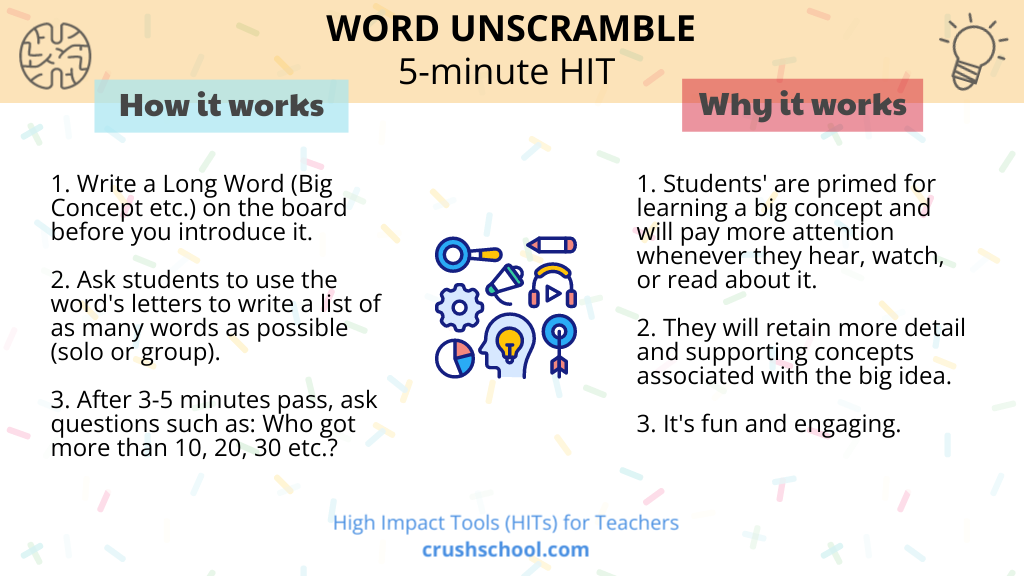
Sign up for my free High Impact Teaching Tools Newsletter to receive easy but powerful micro-lessons (like the “Word Unscramble” below) you can use in your classroom immediately.
Check out my shop if you need some science teaching help or swag.
Hi! I'm Oskar. I teach, write, and speak to make learning better.

BOOKS & TOOLS
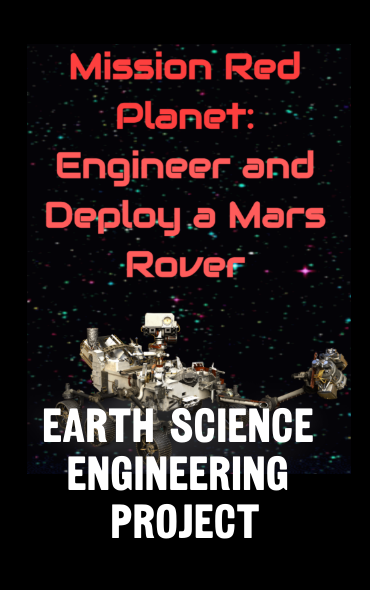
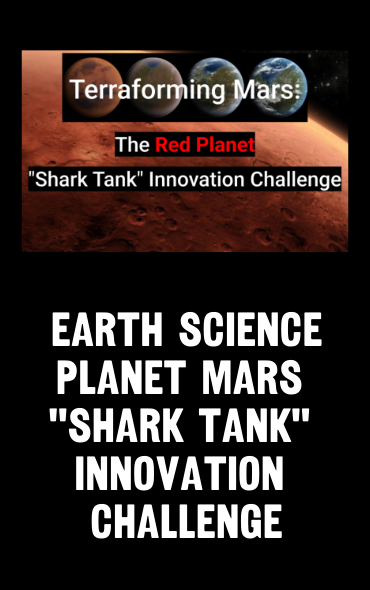
Save time by not having to plan for a week of solar system instruction and employ your students in authentic learning with this NGSS-focused engineering challenge.
Includes 14 detailed slides (PDF and Google Slides link for editing) + detailed teacher directions (last slide).
Mission Red Planet: Engineer and Deploy a Mars Rover is a challenging 5-day project designed to engage your Earth and Space or engineering students in real-world inquiry and problem solving.
Mission Objectives:
Build the Rover: Design and build a realistic self-propelled space explorer model (Mars rover) that can successfully land and rove.
Land the Rover: Design and perform a simulated planetary surface landing.
Deploy the Rover: Design and build a system that triggers movement upon (and not before) landing.
Explore the Planet’s Surface: Design and build a system that allows your rover to move at least 15 feet or 5 meters.
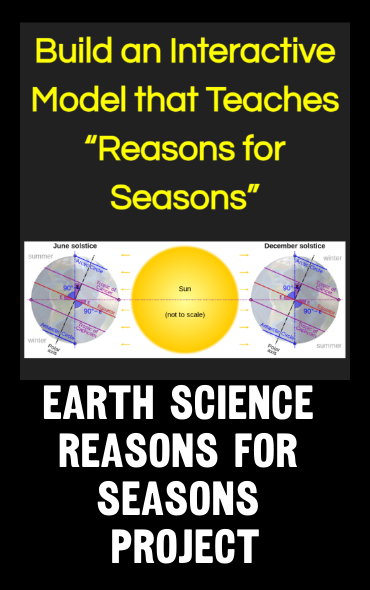
Save planning time with this week-long Earth and Space Science engineering lesson. In this 5 day project, Earth and Space Science students build an interactive physical model that shows the “reasons for seasons” and an interactive computer interface that guides the user through the learning experience.
Includes 12 detailed slides (PDF and Google Slides link for editing) + detailed teacher directions (last 2 slides).
The project follows the guidelines set by the Next Generation Science Standards (NGSS) and guides students in using Science and Engineering Practices (SEPs).
Student Performance Objectives:
Design and create a physical model that teaches how solar radiation changes based on latitude and hemisphere.
Create a computer interface that contains directions for using the model and understanding the content.
Student Learning Objectives:
Explain why the amount of solar energy Earth’s surface receives varies at different latitudes.
Explain the reasons for seasons on Earth.

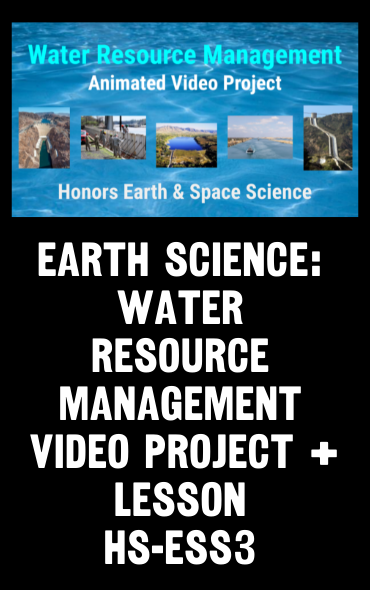
Save planning time with this Earth's Water Unit, 5-day Honors Earth and Space Science Project and Lesson in which students first learn about the importance of water as a resource by creating an animated video on dams, reservoirs, canals, aqueducts, and levees.
The 4-day video project is followed by a 1-day lesson that improves student understanding of the five water management infrastructure elements mentioned above through examining their pros and cons.
Student Performance Objective: Create an engaging animated video that educates viewers about various aspects of water management, focusing specifically on dams & reservoirs, canals, aqueducts, and levees.
Learning Objective: Explain the importance of dams, reservoirs, canals, aqueducts, and levees, their functioning, benefits, challenges, and their role in sustainable water resource management.
What's included:
13 slides (Google Slides link for easy use and editing to fit your purposes)
Teacher Guide that explains the lesson flow.
Introductory popcorn reading activity to help students understand the importance and complexity of water management.
Performance and Learning Objectives
Detailed Project Directions / Requirements
Grading Rubric for students to follow and teachers to help with assessment
Links to Example Animated Videos (2)
Tips for Student Success
Follow up activity that includes 12 hypothetical "what If" scenarios related to dams, reservoirs, levees, canals, and aqueducts to increase student understanding and practice problem solving
Link to the "Wheel of Names" to help in topic assignment for small groups
Peer Review / Exit Ticket Document for accountability and assessment
The project follows the guidelines set by the Next Generation Science Standards (NGSS).