
5 Brain-Based Bell Ringers for the First Week of School

Five simple bell ringers—Word Unscramble, Two Truths and a Lie, Mystery Object, One Word Challenge, and No Notes, Just Brain—help students start the year thinking, connecting, and engaging from the first week.
The first week of school sets the tone.
Students are learning your room, your routines, your expectations, and whether your class will be one they enjoy or dread.
That’s why bell ringers matter.
A strong bell ringer hooks students into learning. It sparks attention, activates prior knowledge, builds curiosity, and gives students something meaningful to do right away.
Here are five brain-based bell ringers you can use during the first week of school.
Monday: Word Unscramble
Write a long(-ish) academic word, unit term, or class theme on the board.
Students use the letters to create as many smaller words as possible in three minutes.
Then ask:
Who found the most words?
Who found the weirdest word?
Who found a word that connects to this class?
This works because students repeatedly look at, manipulate, and think about a key academic term before instruction begins. It feels like a game, but it quietly primes the brain for learning exactly the thing you want them to.
Tuesday: Two Truths and a Lie
Give students three statements connected to your subject, class expectations, or first unit:
Two are true.
One is false.
Students identify the lie and explain their reasoning.
This works because the brain loves a mystery. Students retrieve prior knowledge, make a prediction, defend their thinking, and immediately become more invested in the answer.
You could use Two Truths and a Lie to introduce classroom procedures or expectations in a novel way.
Wednesday: Mystery Object
Place an unusual object, image, tool, or artifact where students can see it.
Ask:
What do you think it is?
What might it be used for?
How could it connect to what we are learning?
Students make predictions and explain their thinking before you reveal the connection during the lesson.
This works because curiosity increases attention. An object creates an information gap students want to close, so keep them in suspense for as long as they will let you.
Thursday: One Word Challenge
Show students an image related to your class or unit.
Students must describe it in one word.
Then, they discuss and justify their words to a partner or group.
Finally, you lead into the lesson and explain the image.
This works because students activate prior knowledge, make connections, and use dual coding to remember and understand class concepts.
Friday: No Notes, Just Brain
Ask students to write everything they remember from the first week.
No notes. No help.
Just brain.
Then, students compare with a partner and add anything they forgot.
This works because retrieval strengthens memory. When students pull information from their own minds, they make learning easier to access later.
Final Thought
Show students what learning will be like in your classroom with strong bell ringers.
It will be curious, active, low-risk, thoughtful, and at least a little fun.
These five bell ringers help students start class by thinking, predicting, connecting, and remembering.
That is exactly the idea behind my book, Spark. Wire. Fire.: 100 Ready-to-Use Classroom Activities That Inspire Curiosity, Strengthen Memory, and Apply Learning.
The book includes 100 classroom activities designed to spark attention, wire learning into memory, and fire learning into application.
If you are looking for more ready-to-use bell ringers, lesson hooks, retrieval activities, and active learning strategies for the new school year, you can find Spark. Wire. Fire. on Amazon.
BOOKS & TOOLS
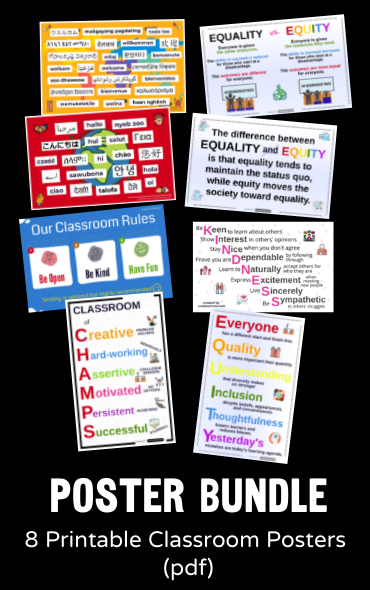
8 digital, printable, size 11 x 17 classroom posters:
“Welcome” in multiple languages
“Hi” in multiple languages
Three Equity posters
Classroom Rules: Be Open, Be Kind, Have Fun
“Classroom of Champs”
“Kindness”
ON SALE until August 30th.
Flashcards are okay but there's a better way. The Memory (or Mind) Palace Method is a powerful learning and memorization technique that when mastered allows a student to remember 10, 20, or even 30 vocabulary words or concepts (definitions included) with ease.
And, they actually remember what they learned using memory palaces! This series of lessons (which can be used as classroom handouts) walks students through creating their first memory palace, filling it with information they need to learn, and using it to train their memories. It also contains short readings, a video lesson, memory palace examples, and practice drills.
Fair Use
Feel free to use with your students. Please do not share it with other parties or use for profit. All rights by crushschool.com.

Equity-Promoting Classroom Poster. What does EQUITY in the classroom look like?
Everyone has a different start and finish line
Quality is more important that quantity
Understanding that diversity makes us stronger
Inclusion despite beliefs, appearances, and circumstances
Thoughtfulness lowers barriers and reduces biases
Yesterday's mistakes are today's learning agenda
You can teach your students about equity and make it a daily classroom practice using this inspirational poster, which also includes images that accompany the equity description. You can discuss each letter characteristic with your students as a way of introducing your inclusive classroom and display it prominently as a reminder that diversity makes the classroom community stronger.

In this classroom Mistakes are Expected, Respected, Inspected, Corrected!
Learned helplessness is a result of years of conditioning that mistakes are bad for learning. Nothing is further from the truth - some of the most powerful life lessons come from making mistakes, reflecting on them, and growing as a result.
This is a PNG Poster you can print and display in your classroom to encourage a culture of risk-taking and learning from mistakes.
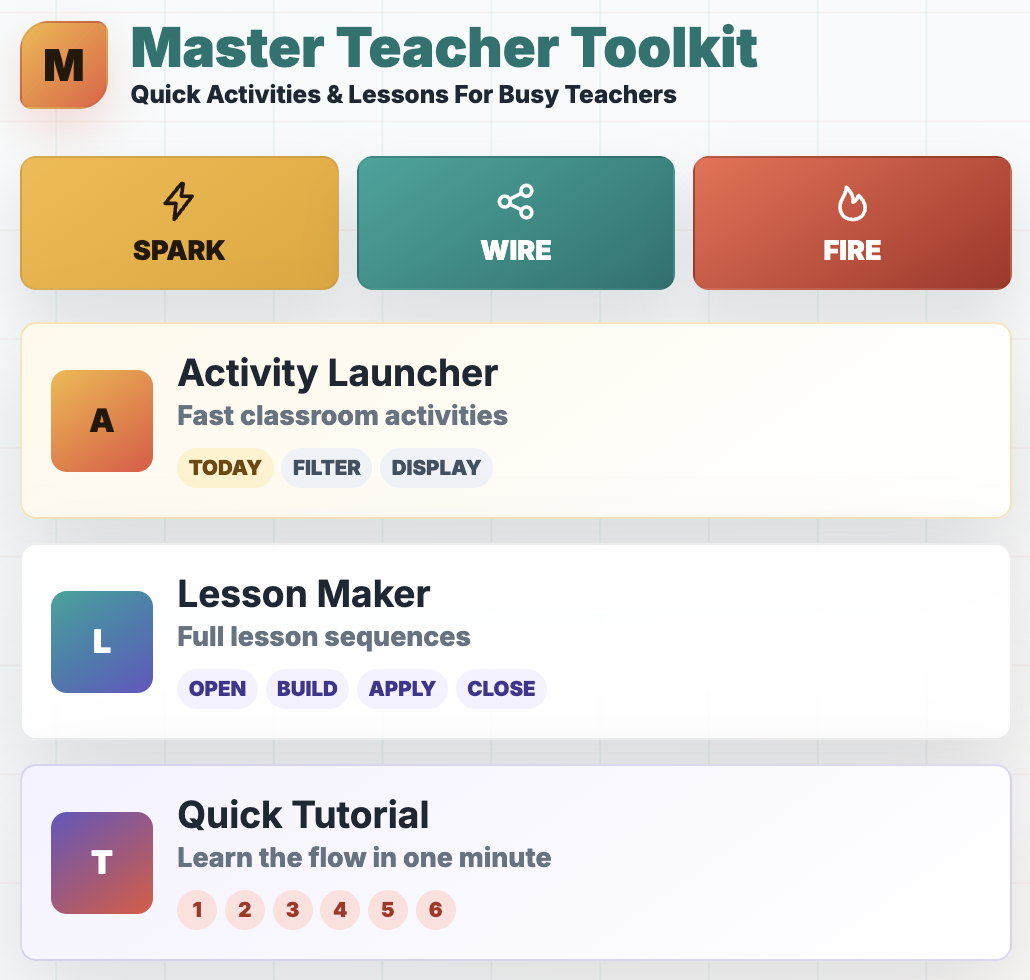
Teaching App
100+ Bell Ringers, Exit Tickets, Brain Breaks, and Classroom Activities you can display to students in seconds.
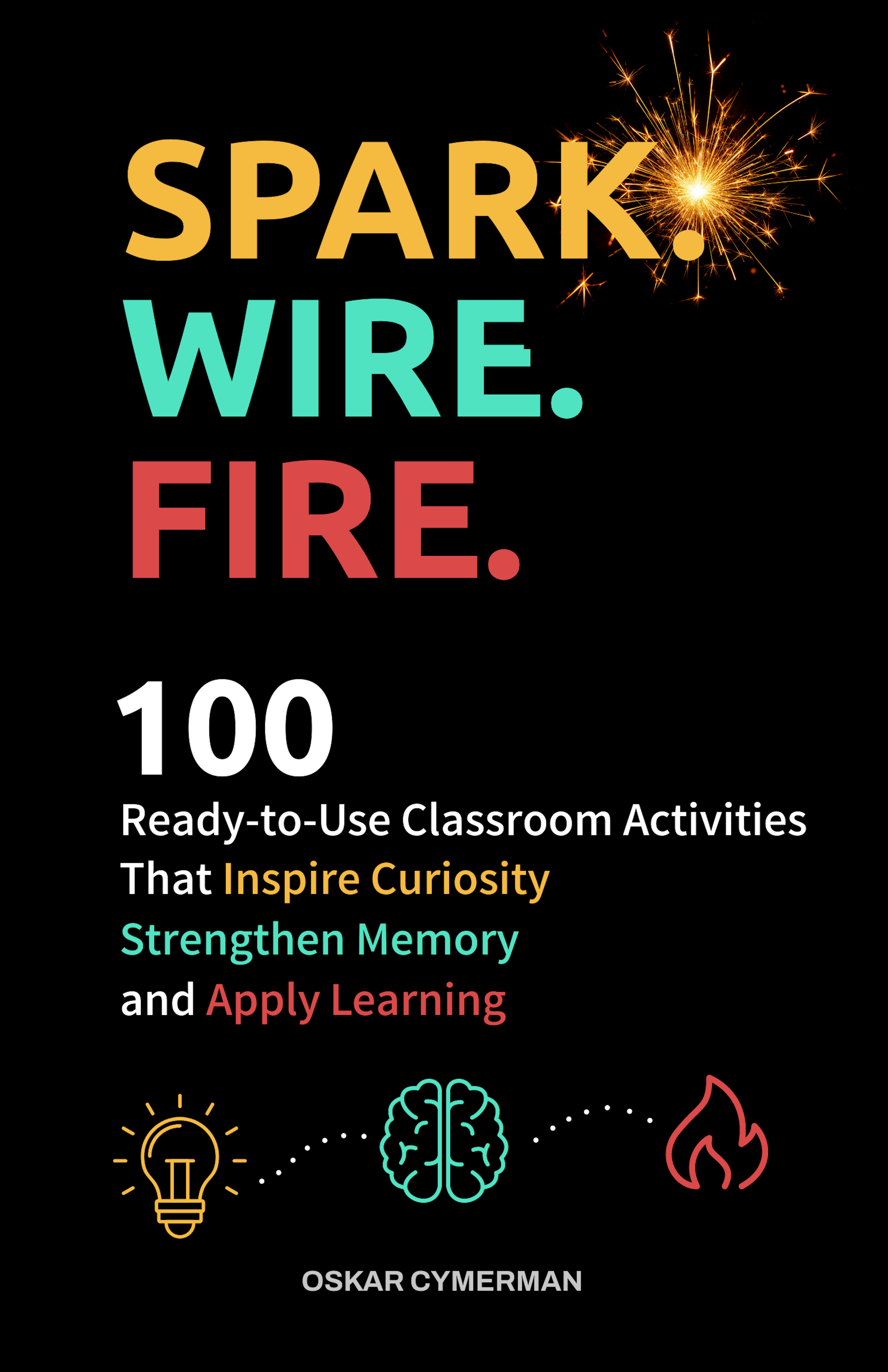
NEW BOOK
100+ practical activities teachers can use right away with little or no prep.