
Simple Teaching Strategies That Make the New School Year Easier
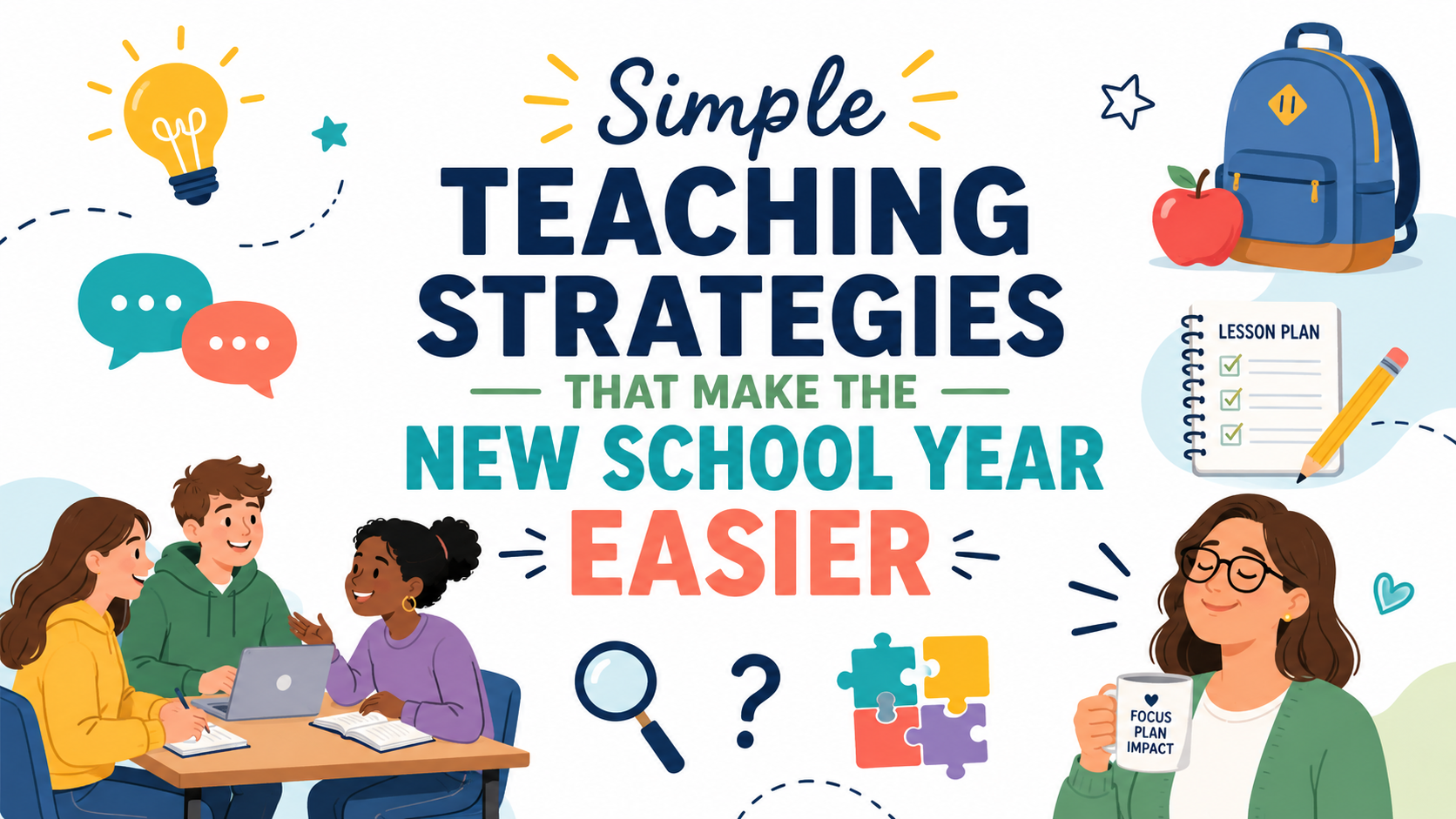
Simple teaching strategies can make the new school year easier by helping students engage, collaborate, think actively, and participate from the start.
The beginning of the school year has a weird kind of pressure only those of us who teach understand.
We’re setting routines, learning names, building relationships, explaining expectations, organizing materials, and trying to convince students that, yes, they are actually going to learn something in here.
And because the first few days matter so much, it is tempting to focus almost entirely on rules, procedures, and classroom management.
But while those things matter a lot, one thing I’ve learned after 23 years in the grind is that students really need to see what learning will be like in your classroom right away.
Will class be something they sit through or something they participate in?
This matters because the best classroom management starts with student engagement and most effective learning involves students “doing” the learning.
When students are thinking, talking, predicting, moving, creating, and retrieving, they are less likely to drift into boredom, side conversations, and the dreaded “when does this class end?” mode.
That is why strong classroom engagement strategies are part of the plan.
Start Class with a Spark
The first few minutes of class can change the entire energy of a lesson.
A good bell ringer does more than keep students busy while attendance is taken. It sparks curiosity, activates prior knowledge, and helps students shift from the hallway brain to the one ready to learn.
That is why I like activities such as Prediction Mystery, Mystery Object, Wrong Answer Warm-Up, and Word Unscramble. Each one gives students something to wonder about before instruction begins.
A strange object on a table.
A believable wrong answer on the board.
A paused video before the reveal.
A big vocabulary word turned into a quick puzzle.
None of these require a complicated setup, but they all do something important: they make students mentally enter the lesson.
Don’t Just Review. Make Students Retrieve.
One of the easiest traps teachers fall into is confusing review with learning.
Going over answers feels like review. So does rereading notes. So does, watching the teacher explain the same thing one last time.
But students learn more when they have to pull information from memory.
That is why retrieval practice activities such as 3-2-1 Recall, No Notes, Just Brain, Last Team Standing, and Draw the Definition are so useful.
They are simple, but call on students to do the hard part: remember, explain, connect, and use information without looking at it.
That is learning that works.
Make Learning Active Right Away
If you want students to participate later in the year, show them early on that participation is part of how your classroom works.
This is where active learning strategies can help set the tone. Get students moving and defending opinions. Have them analyze images and gather evidence. Push them to apply content creatively. Build a classroom where students collaborate, work through problems together, and explain concepts in their own words.
Most importantly, design learning experiences that make one thing clear: in this room, students think, talk, connect ideas, and actively do something with what they are learning.
Spark. Wire. Fire.
The structure is simple.
Spark curiosity and attention.
Wire learning into memory.
Fire learning into application.
My new book, Spark. Wire. Fire.: 100 Ready-to-Use Classroom Activities That Inspire Curiosity, Strengthen Memory, and Apply Learning book is designed for real teachers who need practical strategies they can use without spending hours creating elaborate lessons from scratch.
It includes bell ringers, first day activities, classroom engagement strategies, retrieval practice activities, movement activities, review games, discussion starters, and application tasks that work across subjects.
The goal is not to make every class loud or flashy (though some activities are really fun), but to make learning active, memorable, and manageable.
Final Thought
As we prepare for a new school year, it is easy to spend most of our energy on what students should not do.
Listen so you know what to do. Put your phone away. Stay on task. Those expectations matter, but we also need to plan for what students will do.
Predict, retrieve, discuss, move, explain, connect, apply—that’s where better classroom management and deeper learning begins.
Not with more teacher talk, but with more intentional student engagement.
My new book Spark. Wire. Fire.: 100 Ready-to-Use Classroom Activities That Inspire Curiosity, Strengthen Memory, and Apply Learning gives teachers 100+ easy classroom activities that engage students in real learning.
The Paperback is coming out today and will be 50% off for the first 100 buyers. Grab your copy here before it goes back to $21.95.
BOOKS & TOOLS

Equity-Promoting Classroom Poster. What does EQUITY in the classroom look like?
Everyone has a different start and finish line
Quality is more important that quantity
Understanding that diversity makes us stronger
Inclusion despite beliefs, appearances, and circumstances
Thoughtfulness lowers barriers and reduces biases
Yesterday's mistakes are today's learning agenda
You can teach your students about equity and make it a daily classroom practice using this inspirational poster, which also includes images that accompany the equity description. You can discuss each letter characteristic with your students as a way of introducing your inclusive classroom and display it prominently as a reminder that diversity makes the classroom community stronger.

In this classroom Mistakes are Expected, Respected, Inspected, Corrected!
Learned helplessness is a result of years of conditioning that mistakes are bad for learning. Nothing is further from the truth - some of the most powerful life lessons come from making mistakes, reflecting on them, and growing as a result.
This is a PNG Poster you can print and display in your classroom to encourage a culture of risk-taking and learning from mistakes.
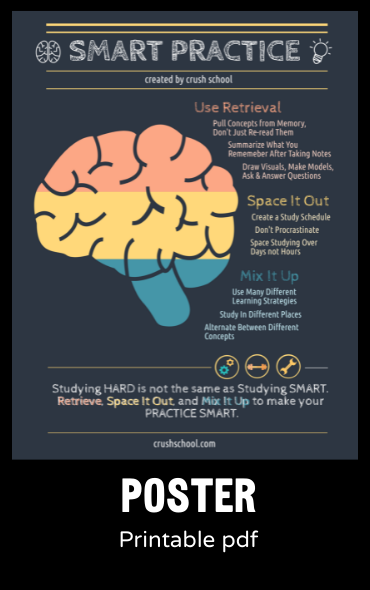
Retrieval Practice, Spaced Practice, and Mixed Practice (Interleaving).
Studying Hard is not the same as Studying Smart. This High Quality printable, digital (PNG) poster is a constant classroom reminder of best practices for teachers and learning the smart way for students.
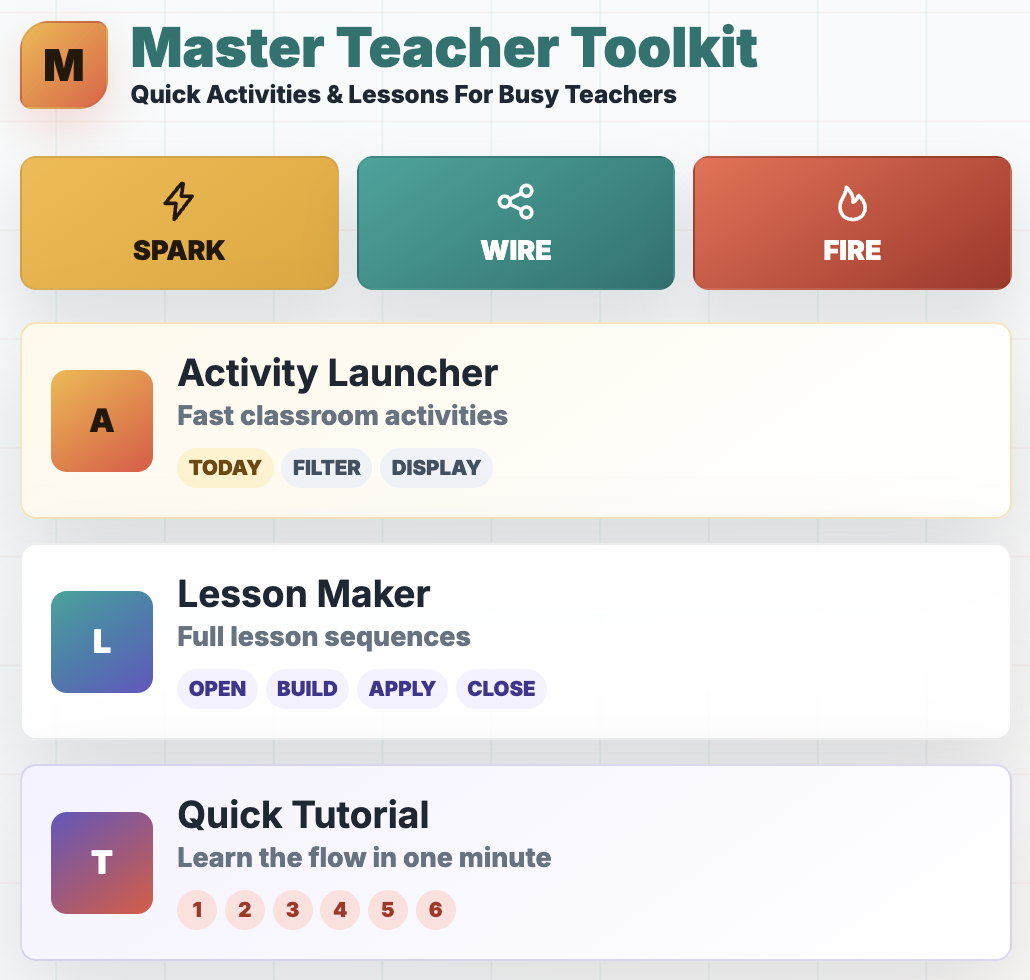
Teaching App
Launch Active Learning activities instantly. Easily adapt to your content and display to your students instantly.
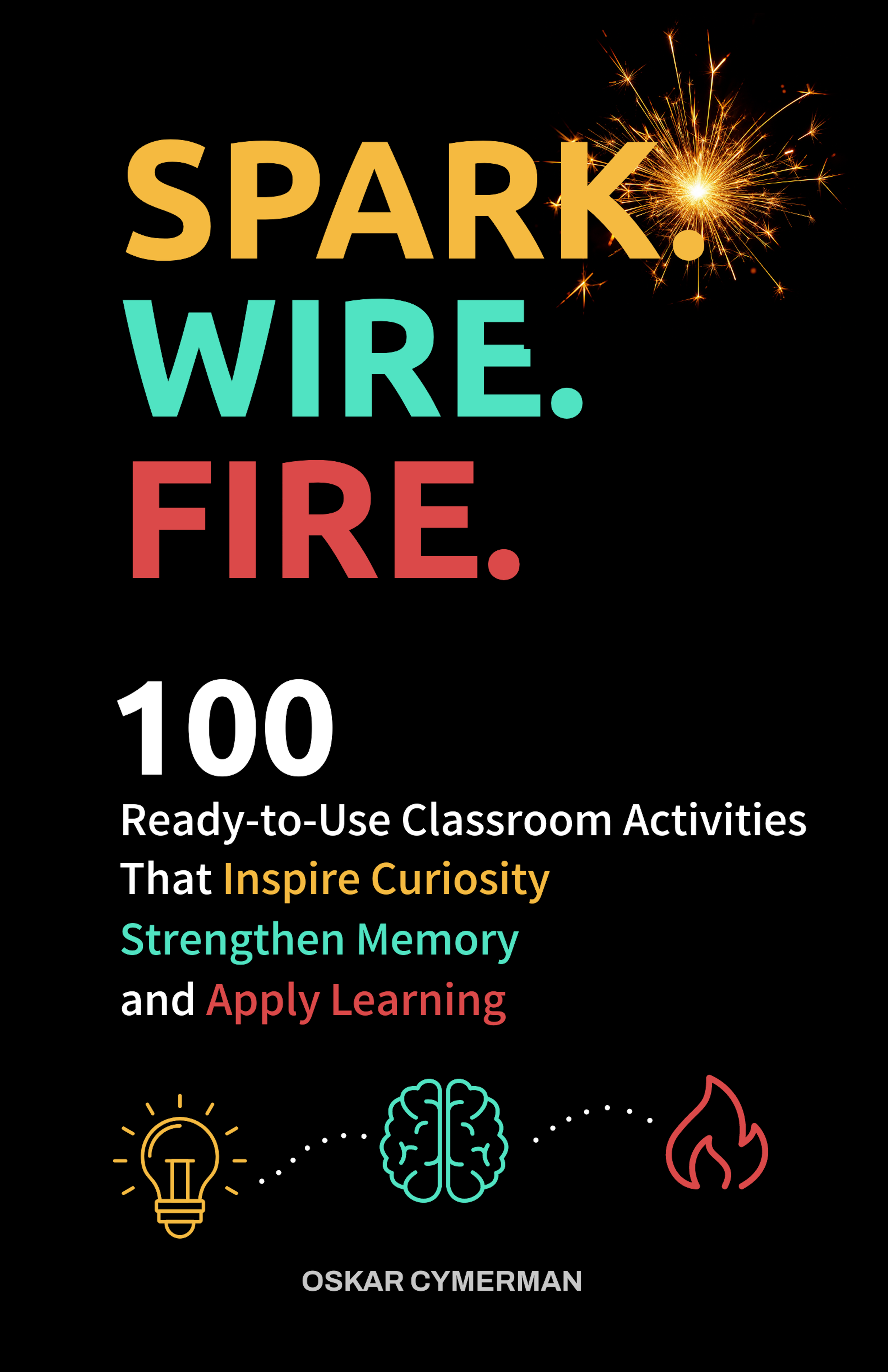
NEW BOOK
100+ practical activities teachers can use right away with little or no prep.
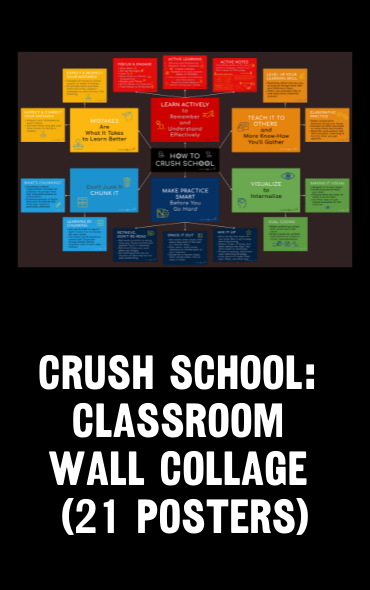
Classroom Wall Collage designed to promote effective, research-based, active learning strategies. Consists of 6 categories:
Learn Actively (Active Learning Strategies to avoid passive learning)
Mistakes Are What It Takes to Learn (Promoting a classroom culture of making and learning from mistakes and why such learning is effective)
Don’t Junk It, Chunk It (How to use the brain chunking technique)
Make Practice Smart (How to use smart and intentional study strategies instead of regurgitating and cramming information)
Visualize to Internalize (Dual Coding Strategy)
Teach It To Others (How to use what you learn to teach others to in turn learn it on a deeper level)
Each category includes 2 or 3 more specific descriptions of how it should be used. And, it rhymes for extra swag and student retention!
A total of 21 posters. Upon payment, you will be directed to a Google Drive link, which gives you 24 hours to copy the folder containing all 21 images to your Google Drive to use for educational purposes only.