
Quiet Class Work Time Looks Good, But Is It?
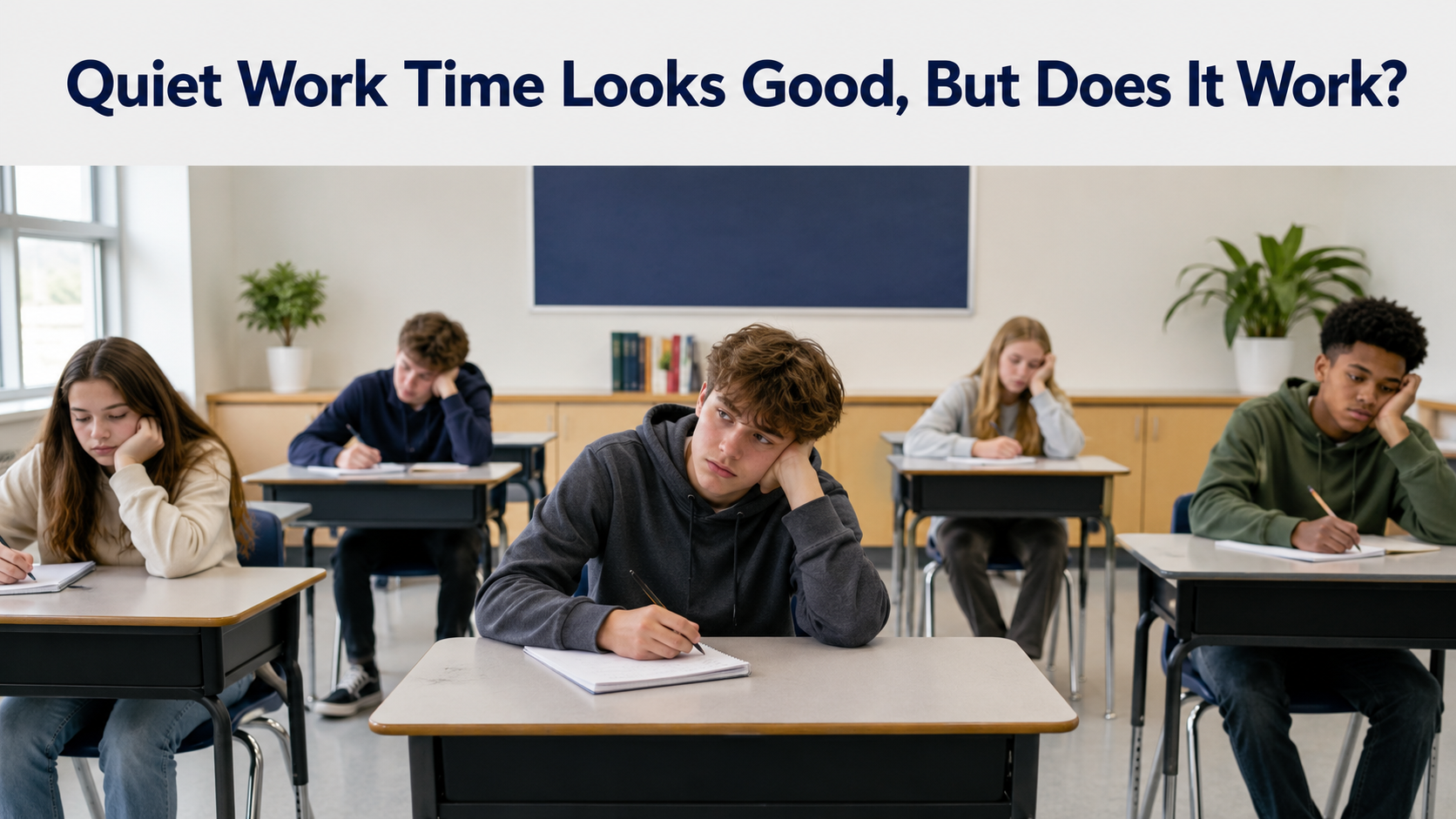
Quiet work can look productive, but stronger learning happens when students retrieve, explain, connect, and apply what they know.
Quiet work time looks amazing from the doorway.
This is especially true when a team of admins is doing a walkthrough.
Students? Seated. Chromebooks? Open. Pencils? Moving.
The room feels calm. Nobody is throwing stuff, arguing about who hid whose NeeDoh, or asking to go to the bathroom.
It looks like learning.
One of those admins might even crack a smile and compliment you on having “a model classroom.”
But silence does not automatically mean learning is happening.
How Quiet Class Work Is Often the Enemy of Learning
Quiet work time can be useful, but it can also fool us.
A quiet room may be full of students who are copying, guessing, waiting, avoiding, clicking, pretending, or silently stuck. Compliance abounds, but what about processing?
I am not against quiet work. Students need independent practice—time to write, solve, read, reflect, and think without constant noise. The issue arises when quiet work becomes the status quo; the default answer to every classroom problem.
Tired students? Give them quiet work.
Lesson finished too early? Quiet work.
Need to catch up on grading? Quiet work.
Teacher headache? Quiet work.
The room gets quieter, but learning does not always get stronger.
The question is not “Are the students quiet so they can focus?” The real question is “What kind of thinking are they doing during this task?”
If students are copying definitions, filling in blanks, or completing worksheet questions, then quiet work creates the appearance of productivity all the while little learning happens in reality. Students call this busy work.
They answer every question, but can’t explain any of them. Busy work.
They copy a bunch of definitions, but don’t know what they mean. Busy work.
They read the chapter, but can’t summarize the main idea. Busy work.
They complete the assignment, but forget it by tomorrow. Busy work.
They finish the review packet, but still bomb the test. Busy work.
Learning requires more than completion. A lot more.
Retrieval. Explanation. Feedback. Making connections. Comparing ideas. Correcting errors. Defending answers. Applying what they know.
Quiet work can support all that, but only when the task is designed to make students think and do instead of just comply and complete.
Making Quiet Class Work Meaningful
Instead of asking students to copy vocabulary definitions, ask them to write what they remember first with no notes (quiet), then compare with a partner (talk it out), then revise (quiet or together).
Instead of having students answer ten isolated review questions, ask them to choose the three most important ideas (quiet) and explain how they connect (talk it out with a group).
Instead of giving students a worksheet full of practice problems, give them one wrong solution and ask them to find, explain, and fix the mistake (quiet). Afterward, aske them to compare their corrections with a partner (talk it out).
That is a very different kind of quiet.
It is not just silent completion. It is silent thinking intertwined with thinking aloud—practice and application.
Mix Quiet Class Work with Loud(-ish) Work
Quiet work time becomes more powerful when it is paired with short active learning strategies.
Let students work independently for a few minutes, then have them explain their reasoning to a partner.
Let them write first, then sort answers.
Let them solve first, then compare methods.
Let them retrieve first, then check notes.
That small shift moves students from producing answers to processing ideas.
Quiet work is not bad. It’s often overrated. this is especially true when we confuse silence with learning.
A quiet classroom looks beautiful. A thinking classroom is beautiful.
Because learning that works can be quiet, but it must involve actual thinking.
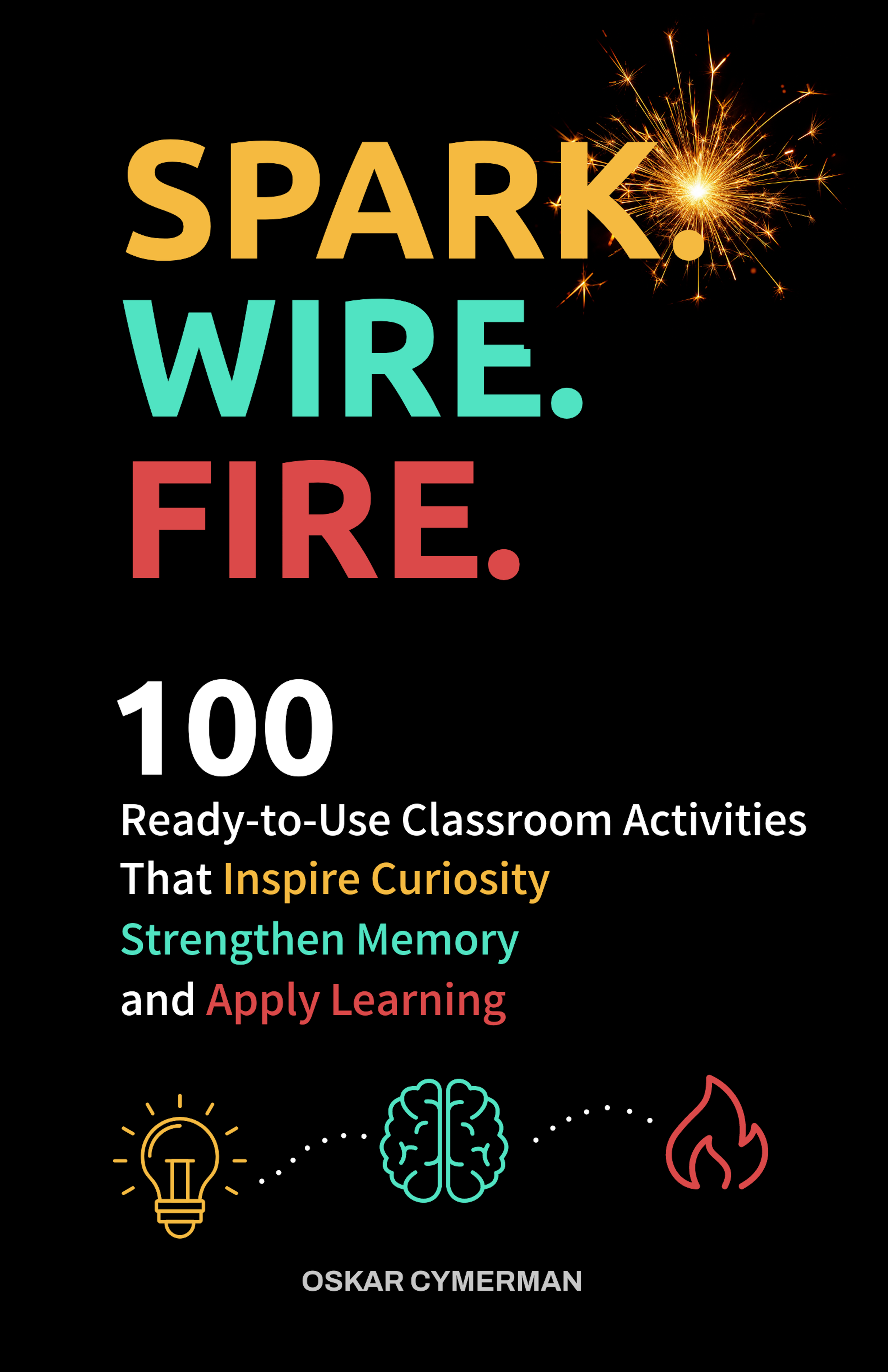
If you want simple ways to turn quiet work into deeper thinking, Spark. Wire. Fire. available on Amazon includes 100+ ready-to-use activities for curiosity, memory, and application. Paperback regular price: $21.95.
The Master Teacher Toolkit app gives you classroom activities you can launch and display instantly when you need something better than “finish this quietly.”
BOOKS & TOOLS
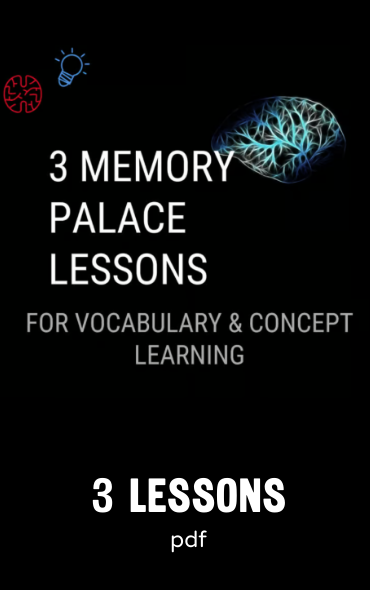
Flashcards are okay but there's a better way. The Memory (or Mind) Palace Method is a powerful learning and memorization technique that when mastered allows a student to remember 10, 20, or even 30 vocabulary words or concepts (definitions included) with ease.
And, they actually remember what they learned using memory palaces! This series of lessons (which can be used as classroom handouts) walks students through creating their first memory palace, filling it with information they need to learn, and using it to train their memories. It also contains short readings, a video lesson, memory palace examples, and practice drills.
Fair Use
Feel free to use with your students. Please do not share it with other parties or use for profit. All rights by crushschool.com.

Equity-Promoting Classroom Poster. What does EQUITY in the classroom look like?
Everyone has a different start and finish line
Quality is more important that quantity
Understanding that diversity makes us stronger
Inclusion despite beliefs, appearances, and circumstances
Thoughtfulness lowers barriers and reduces biases
Yesterday's mistakes are today's learning agenda
You can teach your students about equity and make it a daily classroom practice using this inspirational poster, which also includes images that accompany the equity description. You can discuss each letter characteristic with your students as a way of introducing your inclusive classroom and display it prominently as a reminder that diversity makes the classroom community stronger.
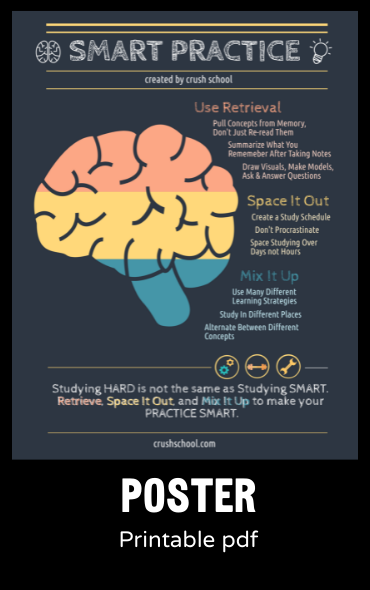
Retrieval Practice, Spaced Practice, and Mixed Practice (Interleaving).
Studying Hard is not the same as Studying Smart. This High Quality printable, digital (PNG) poster is a constant classroom reminder of best practices for teachers and learning the smart way for students.

In this classroom Mistakes are Expected, Respected, Inspected, Corrected!
Learned helplessness is a result of years of conditioning that mistakes are bad for learning. Nothing is further from the truth - some of the most powerful life lessons come from making mistakes, reflecting on them, and growing as a result.
This is a PNG Poster you can print and display in your classroom to encourage a culture of risk-taking and learning from mistakes.
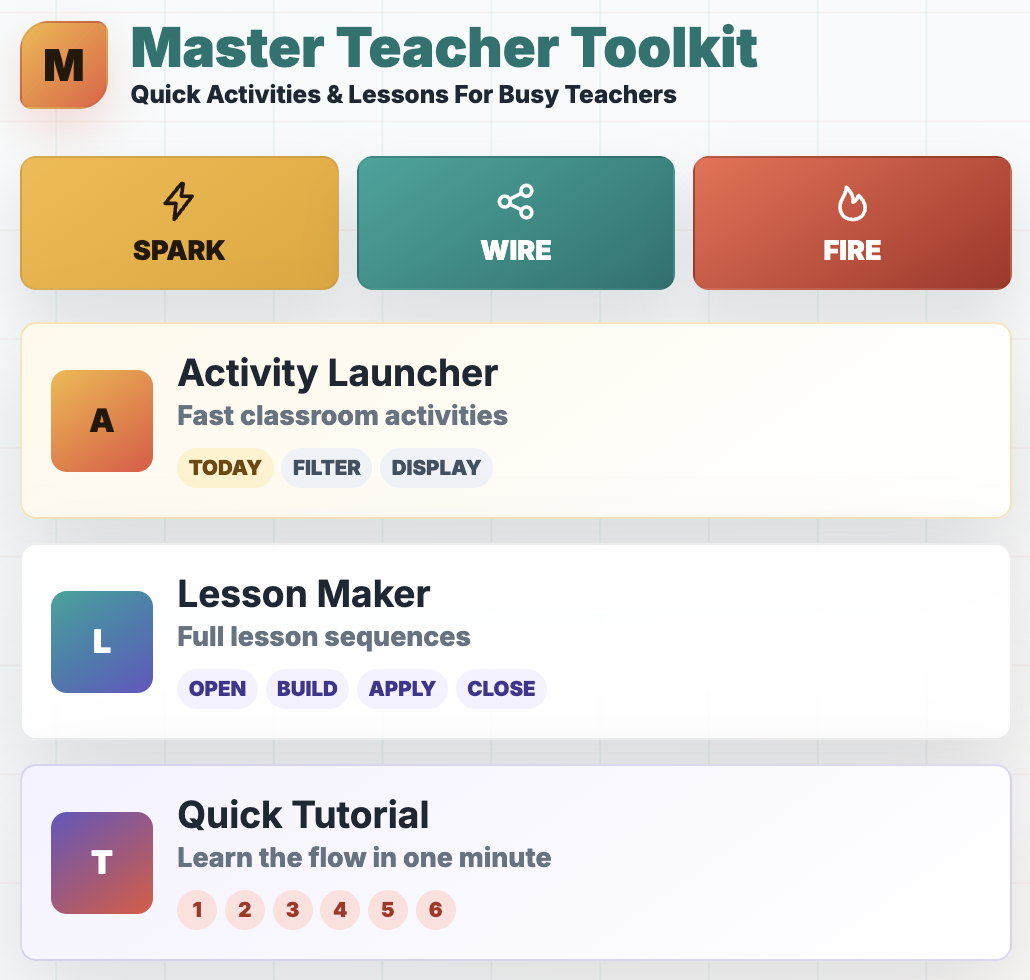
Teaching App
Launch engaging, deeper learning activities and lessons in seconds. Then, launch and display them to students instantly.
NEW BOOK
100+ practical activities teachers can use right away with little or no prep.