
The Best Teaching Strategy Is the One You’ll Actually Use
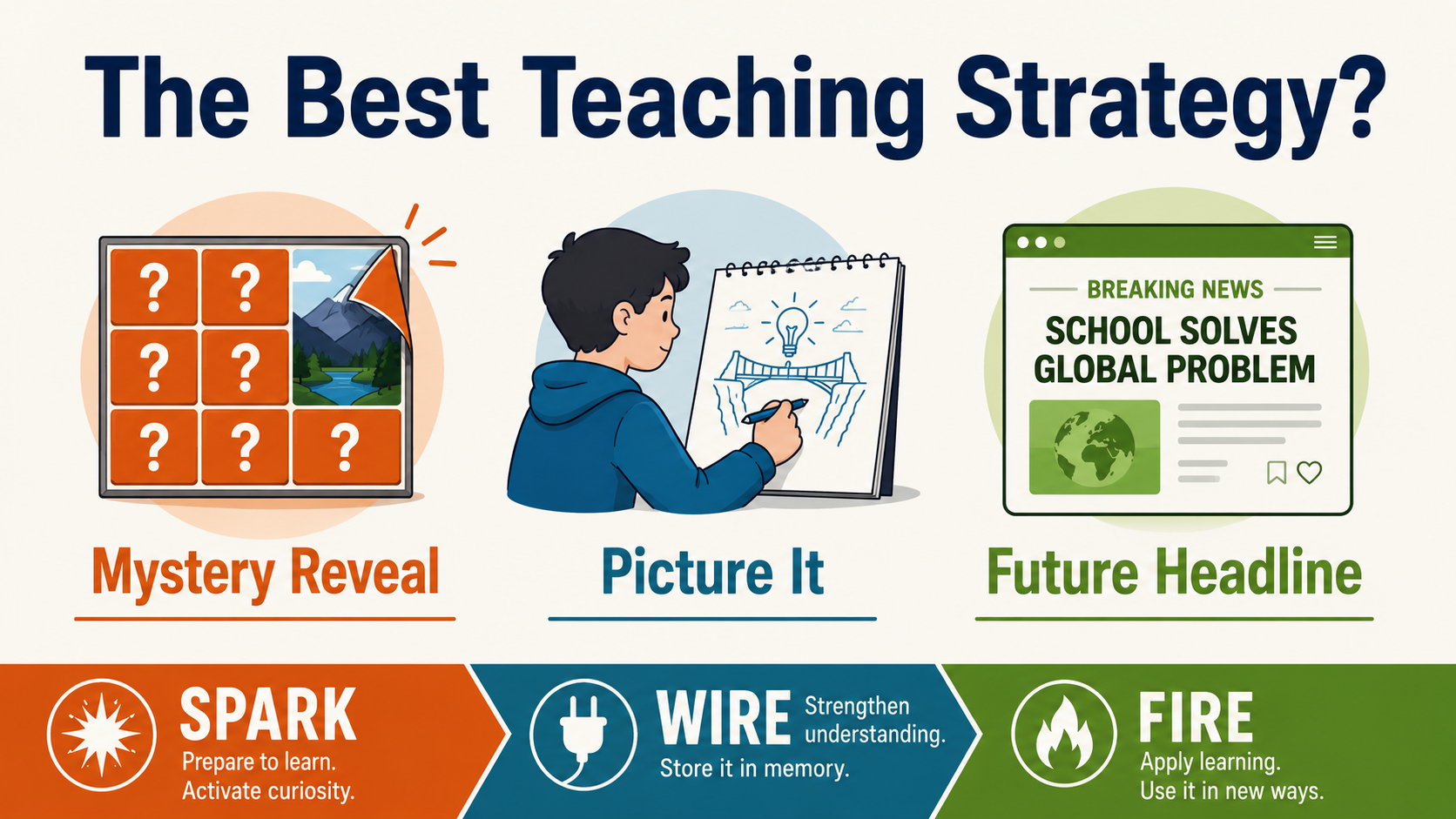
Three simple, easy-to use today classroom strategies from the Spark–Wire–Fire framework: Mystery Reveal to spark curiosity, Picture It to strengthen understanding, and Future Headline to apply learning.
Teachers do not need more complicated ideas.
We have enough of those already.
Every year, education gives us another framework (Multi-Tiered Systems of Support in my neck of the woods), acronym (MTSS), initiative, chart, cycle, model, template, or professional development slide deck with tiny font and way too many words and arrows.
Some of it is useful. Some of it looks like two recycled ideas given new names.
A lot of it makes you wonder if the creator ever taught sixth period on a Friday.
And at the beginning of a new school year, it feels like extra pressure.
Of course we want to be better teachers! We’re professionals, aren’t we?!?!
Does the admin not get that we do want better routines, better engagement, better classroom management, better student thinking, and maybe even a version of ourselves that calmly drinks coffee while students independently retrieve prior knowledge like small educational miracles?
But then the year starts and reality happens.
172 new faces appear along with the names we have to learn to associate with them. Then, schedules and rosters change just because. The IEPs, the 504s, and the accommodations flood our inbox. The copier jams ‘cause it can. The Smartboard ain’t that smart when we need it to be. The lesson takes longer than planned. Students forget materials and how they work.
Suddenly, the best teaching strategy is not the fancy new one we’ve just been trained on.
It is the one you will actually use.
Not the one with the most research citations or the one that looks oh-so beautiful in a PD handout.
Not the one that requires 42 minutes of prep, color-coded cards, and students who enter the room already knowing how to collaborate, discuss, argument, and give constructive feedback, like the adults they should be before they even grow up.
The best strategy is the one that fits your classroom, your students, your energy level, and your situation on Thursday afternoon.
That does not mean we should ignore cognitive science or evidence-based teaching. The goal is still learning that works. Students still need to pay attention, to learn, and to use the information.
But learning that works does not have to be complicated and look like those 37 jargon-filled slides shown during the workshop week.
Sometimes it is a five-minute bell ringer or a quick retrieval check. Sometimes it is a movement prompt or a better question. Sometimes it is asking students to explain, sort, draw, predict, or apply instead of copy and complete.
That is one of the reasons I created the Spark-Wire-Fire Framework.
I wanted the strategies to be practical enough that teachers would actually use them. Not someday. Not “after testing season.” Not “when I finally have time to redesign the unit.” Today.
The framework is simple. Spark curiosity and attention. Wire learning into memory. Fire learning into application.
The point is not to make teaching more complicated. The point is to make active learning easier to build into your class period.
Here are 3 out of the 105 examples I put into the Spark. Wire. Fire. book.
Spark Learning with Mystery Reveal
Mystery Reveal is a Spark strategy that works really well as a quick, fun review of a new or previously learned concept. Here’s how you implement it:
Put an image related to the lesson on a slide
Cover the image with 4 (easiest) - 9 (hardest) tiles
Remove one tile at a time to reveal a part of the image
Students make predictions about what they are seeing
Students revise their predictions as more is revealed
Continue until the full image is revealed
Discuss how the image connects to the lesson
Mystery Reveal prepares the brain for learning by activating students prior knowledge (priming). Predicting what the image represents increases attention as students want to know if their predictions are correct. In addition, students connect new information to existing knowledge (schema formation).
Wire Learning with Picture It
Picture It is a Wire activity that works well as a mid-lesson check that follows direct instruction to reinforce the learning. It can also be used as an exit ticket or a bell ringer review of a previously-learned concept. Here’s how:
Give students a concept, process, event, theory, or big idea
Students create a visual metaphor or analogy for it
Students label key parts of the drawing
Share and discuss examples with a partner or group
Students explain how the metaphor represents the concept
Picture It promotes understanding because it uses dual coding—students connect visuals and words to create two ways to retrieve information from their brain which strengthens memory. It also helps students link new to familar information and forces additional processing through generation effect (create their own representations rather than receiving them from the teacher) and elaboration (explaining how the visual represents the concept).
Fire Learning with Future Headline
Future Headline is a Fire strategy that can be used anytime as long as the ideas it applies have already been taught. Here’s the way to do it:
Name a recently-learned concept, event, problem, or topic
Students write a future newspaper, website, or social media headline related to it
Students write 1–3 sentences explaining why that headline might become reality
Students support their prediction using evidence from class content
Students share and defend their headlines with a partner
Future Headline forces application of concepts which strengthens learning. Further application of concepts to new situations and future contexts (transfer) also improves understanding. Along the way, the activity calls upon cognitive strategies such as generation effect, elaboration, cause-and-effect reasoning, and argumentation—all of which deepen understanding and strengthen long-term memory.
Final Thoughts on the Spark-Wire-Fire Framework
In the spirit of this article and “not doing everything all at once” remember to breathe, take it easy, and give yourself grace at the beginning of this new school year.
Don’t do it all at once. Unless that’s your MO and you can’t help yourself like me. Once I get going, I constantly need to remind myself to be present and slow down.
The better approach? Try one thing, one strategy at a time. Perhaps use Picture It first because it needs no prep and see if it fits what you already do. Then, bust out Future Headline toward the end of the week to bring out some creativity and fun prediction magic in your classroom.
The idea is to spark your students interest, wire learning into their memory, and fire better understanding through use, but all three don’t need to happen every day as long as you keep learning active it’ll be alive.
You already know and use teaching strategies that work.
Spark-Wire-Fire can help you mix it up.
Here’s to our best year ever.
If you find the Spark-Wire-Fire Framework useful, check out the tools that can help you easily implement it in your classroom:
Spark. Wire. Fire. Book on Amazon.
Master Teacher Toolkit app: Instant classroom-ready activities.
BOOKS & TOOLS
Flashcards are okay but there's a better way. The Memory (or Mind) Palace Method is a powerful learning and memorization technique that when mastered allows a student to remember 10, 20, or even 30 vocabulary words or concepts (definitions included) with ease.
And, they actually remember what they learned using memory palaces! This series of lessons (which can be used as classroom handouts) walks students through creating their first memory palace, filling it with information they need to learn, and using it to train their memories. It also contains short readings, a video lesson, memory palace examples, and practice drills.
Fair Use
Feel free to use with your students. Please do not share it with other parties or use for profit. All rights by crushschool.com.

Equity-Promoting Classroom Poster. What does EQUITY in the classroom look like?
Everyone has a different start and finish line
Quality is more important that quantity
Understanding that diversity makes us stronger
Inclusion despite beliefs, appearances, and circumstances
Thoughtfulness lowers barriers and reduces biases
Yesterday's mistakes are today's learning agenda
You can teach your students about equity and make it a daily classroom practice using this inspirational poster, which also includes images that accompany the equity description. You can discuss each letter characteristic with your students as a way of introducing your inclusive classroom and display it prominently as a reminder that diversity makes the classroom community stronger.

In this classroom Mistakes are Expected, Respected, Inspected, Corrected!
Learned helplessness is a result of years of conditioning that mistakes are bad for learning. Nothing is further from the truth - some of the most powerful life lessons come from making mistakes, reflecting on them, and growing as a result.
This is a PNG Poster you can print and display in your classroom to encourage a culture of risk-taking and learning from mistakes.
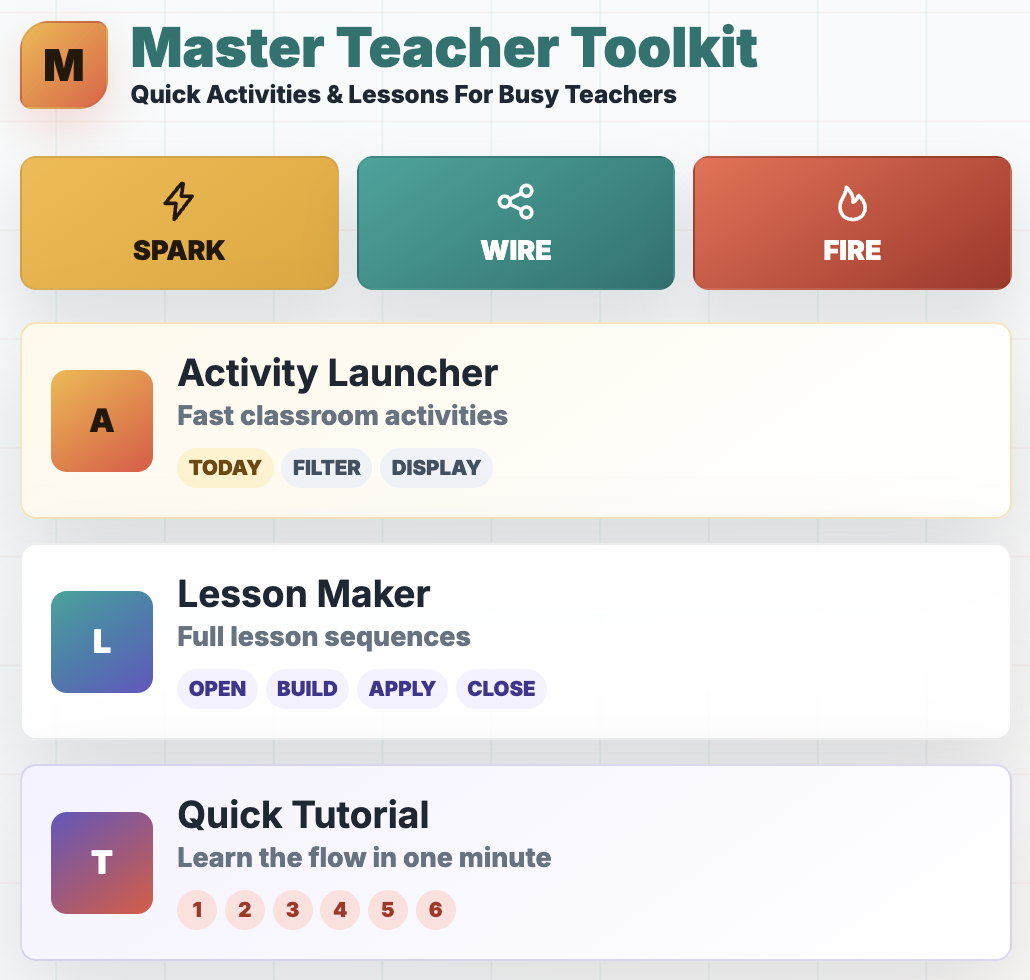
Teaching App
Launch engaging, deeper learning activities and lessons in seconds. Then, launch and display them to students instantly.
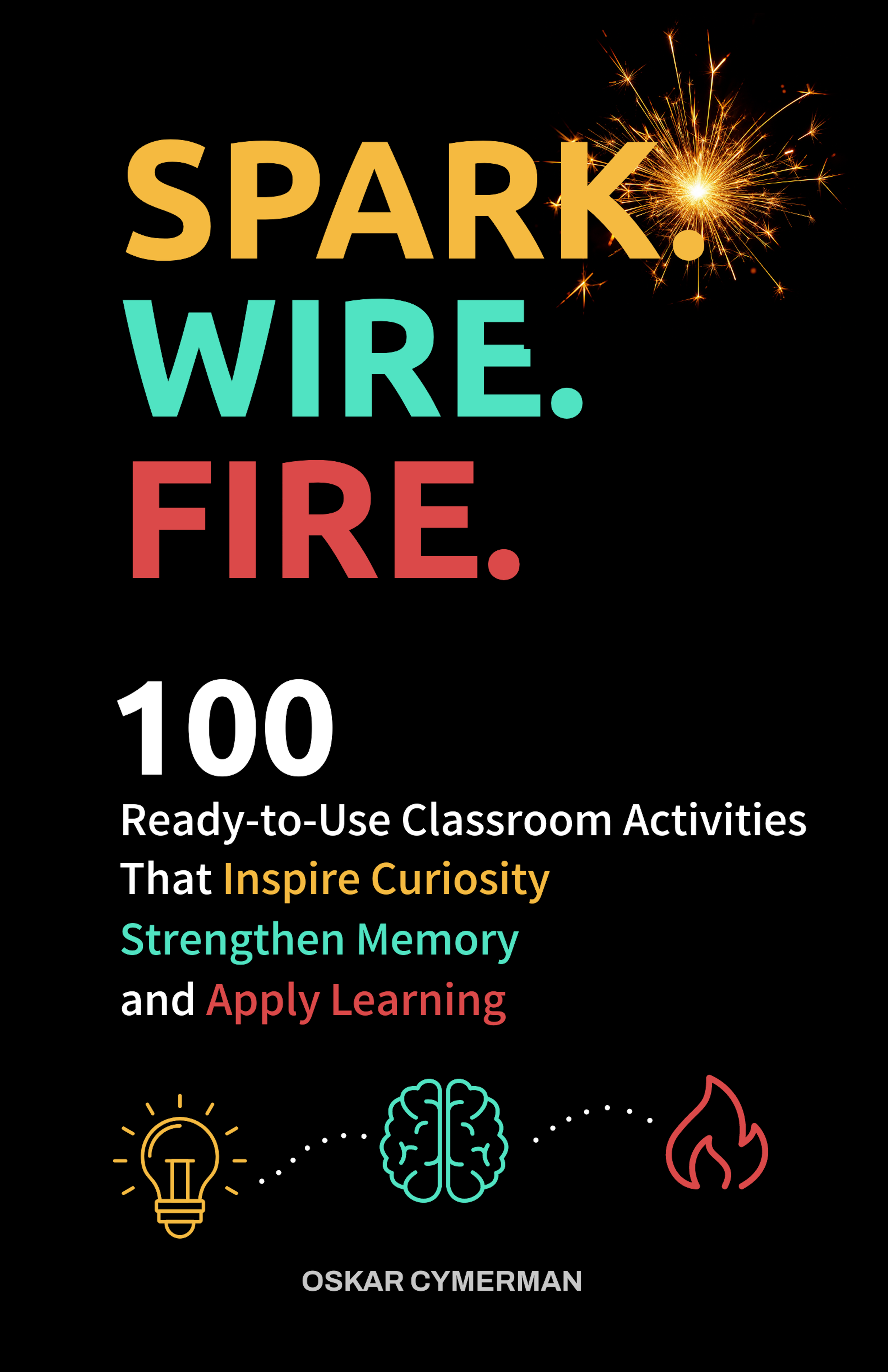
NEW BOOK
100+ practical activities teachers can use right away with little or no prep.